03 乌菲兹美术馆之“镇馆之宝”(下)
作者:埃克·施密特Eike Schmidt
2019-12-03·阅读时长15分钟
在博物馆里最感动的时刻?
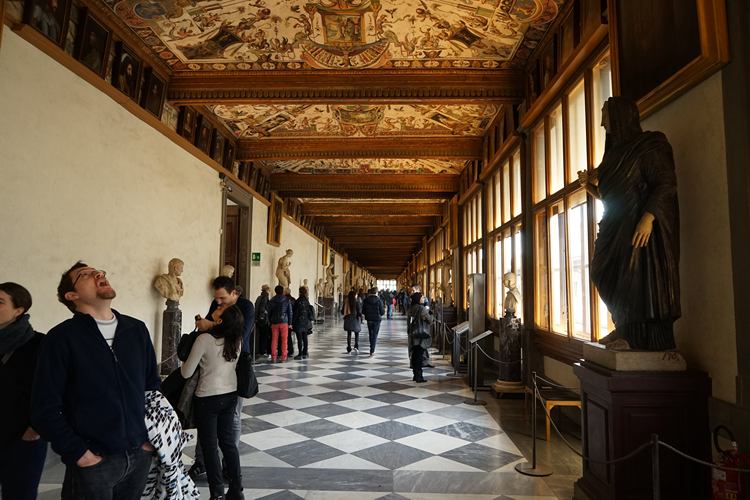
There always the touching moments. If you are the museum director, the most touching moments are tiny little details. So when I walk through the gallery, and I see there were thousands of visitors gathering through. And sometimes someone stops, I means someone just looks at the paintings and stops walking because the visitors are fascinated by a painting. That’s the really magic moment because something has caught the visitors attention. That means that the painting even of its hundreds of years old, or maybe as a sculptures that is thousand of years old, has touch something in the beholder then to see that the visitor goes closer ,tries to figure something out, to see it ,to study it ,to enjoy it, that’s the most touching moment of all of them.
总有很多个感动的时刻。作为一个博物馆馆长,最感动的时刻总是一些很小的细节。有时候当我在展厅经过的时候,我看到成千的参观者聚集在一起,有时有人会停住脚步,他们看作品时时停留,因为他们被作品吸引了。这是很神奇的时刻,因为有东西吸引了参观者的注意力。这意味着,即便是有着几百年历史的画作,或者是几千年前的雕塑,引发了观看者的感动情绪,然后我看到他们靠近,尝试去看懂,观看它,研究它,欣赏它,这是我最感动的时刻。
My office is in the museum. I always go to museum of course i never have the chance to really go myself to enjoy myself. Once in a while, when we redo the galleries as we are doing right now, this is a very rare occasion because normally in the galleries aren’t be redone this is the first time for many many decades. And this has happened, we work in the evenings than doing at nights and of course there was not always working faces. So that is the chance in the middle of the night to walk thought the galleries and to look at the paintings. But that was a very rare privilege and although it’s something that one cannot imagine. And of course, it can also scary to walk among all these very masterpieces in the middle of the night.
我的办公室就在博物馆里。我当然总去博物馆,但是我很少有机会能够真正一个人欣赏。有一次,我们要重新规划展厅,就像现在也会做的一样,这是非常难得的机会,因为通常展厅里不会重置,这是几十年来的第一次。当时,我们在晚上而非夜间工作,当然周围没有很多工作的人。所以这是一个在半夜里得以观摩作品的机会。不过这是非常珍贵的特权,当然这也是很多人想象不到的。不过,半夜行走在这些大师的作品的行列中也是有点恐怖的。
At the time in 1737, when we wouldn’t have brought them for exhibitions, because there was no such thing as temporary exhibitions, so the fear was that the paintings would be permanently brought out of the country. It is a question of interpretation whether Anna Maria Luisa de’Medici would now be contrary to temporary exhibitions too. But many paintings cannot travel for conservation reasons. Many paintings cannot travel because they are so famous and the population feels that’s the part of their identity and story and that should never travel. And also the tourists feel the same, if someone comes from Australia or Africa or America or China, and does not find the painting that was the reason for the entire trip, that visitor extremely frustrated. So therefore we do have a lot of paintings that simply are never been lent that cannot travel. Other paintings can travel and for some paintings that are in storage and cannot be regularly shown, it’s actually even an opportunity to travel to exhibitions. However, the time that they can be shown artist’s work is limited by law. So generally they go for three or four month and they need to return into the Uffizi In the combination of different shows, and absolutely later they need to return after a bit than one year.
在1737年之前,我们从来不会把那这些作品拿出去做展览,因为那时候没有像现在的临时展览,所以害怕作品一旦从自己国家拿出去之后会回不来。关于安娜·玛丽亚·路易莎·美第奇现在是否也参加临时展览,这依然是一个待解读的问题。但是很多作品是出于保护的原因不能够外借;很多作品不能够拿出去展览,是因为它们实在太有名了,人们认为这是他们历史和身份认同的一部分所以不应该拿出去。此外,参观者也会有同样的感受,如果有人从澳大利亚、非洲、美国或者中国而来,整个旅行的目的就是希望能够看到这个画作,没有看到的话,参观者会极度失望。因此,我们确实有很多画作从来不会外借、流动。有些作品可以流动,有些作品会被存放起来不做定期展示,这种可能相对更有机会拿出去参加展览。然而,具体的艺术品的展示时间是在法律上有所规定的。一般这些作品被拿出去展示三到四个月后就能要被归还到乌菲兹美术馆,在不同的组合展览中,肯定需要在一年多后返还。
博物馆与大众的关系?
The original mission and meaning of the museum was research and education. In fact Anna Maria Luisa de’ Medici mentioned three points, three functions of the arts collections of the Uffizi. One was to be ornament of the state, and that is the traditional role of art in all societies. So the ruler always wanted to demonstrate his or her wealth and power and intelligence and taste as well through the art collection, and that is even today, was modern collectors. so that is first point.
博物馆最初的使命和意义是研究和教育。事实上,安娜·玛丽亚·路易莎·德·美第奇提到了三点,有关于乌菲兹艺术收藏的三大功能。一种是成为国家的点缀,这是艺术在所有社会中的传统作用。所以统治者总是希望能通过艺术收藏来展示自己的财物、权利、智慧和品味。即便到了今天,现代收藏者也是一样。这是第一点。
The second point however is special and innovative, because the second point is to serve for the education of the public, that was a novelty because it means all the public should have access to the work of art and they should be educated by enjoying and studying the work of art.
第二点是特殊性和创新性,因为第二点是为公众的教育服务。这是充满新意的,因为这意味着所有的公众都该有机会接触到艺术作品,他们从欣赏和研究这些艺术品过程中获得教育。
the third one is to attract the interest of the tourists of the foreigners,and again this means that art collections can kindle international exchanges and learning about ones and others cultures. So this was a very important mission statement that Anna Maria Luisa de’Medici developed in 1737 and that then was put into action by the following generation, by Pierre Perlotro of Habsburg-Lorraine, the grand duke from the imperial family that grew in Florence from 1765 until 1790 when he went to become an emperor in Vienna. So during that time period he actually had a lot of reforms that he had acted, and he started all the reforms. He started with the museum reform, then he went to on the lend reform, then he went on to the university reform and school reform, then he went on to the reform of criminal law, and so on and so on.
第三点是引发外国参观者的兴趣,这也意味着艺术品收藏可以激发国际交流,了解自己和他国的文化。这是安娜·玛丽亚·路易莎·德·美第奇在1737年提出的一项非常重要的使命宣言,后来由下一代人付诸行动。其中一位是哈布斯堡洛林家族的彼得罗•莱奥波尔多一世,他是这个皇室家族的大公,从1765年到1790年在佛罗伦萨长大,直到他在维也纳当上皇帝。所以在那段时期,他实际上做了一系列改革,他从博物馆改革开始,继续进行了贷款改革、大学改革、学校改革、刑法改革,等等等等。
But it was under him that the collection was doubled and it was also in stored in a way as to foster research and education. That was the novelty under Pierre Perlotro. And in the 1769 he opened the uffizi to every one. You didn’t have to be a noble man or if you were an artist you didn’t need to have a letter of recommendation from another prince or ruler, but everyone had access to the art, the only requirement was that you had to be decently cloth.
正是在他那个时期,艺术品收藏的数量翻倍,并且以一种促进教育和研究的方式被收藏起来。这是在彼得罗•莱奥波尔多一世统治之下的改革创新。接下来在1769年,他把乌菲兹整个向公众开放。你不需要是一位贵族,或者如果你是一个艺术家,不需要来自另一位王子或统治者的推荐信,任何人都可以来观摩艺术,唯一的要求就是你得穿着得体。
In fact following the original mission of the museum, in fact we brought education and research back at the center where we also brought the visitor back to the center of the installation and interpretations of the works of art in the museum. That is perhaps the most important part of the reforms. Where of course the reforms also, parts of our reforms we dedicated to administrative reforms, part of reforms we dedicated to renew ticketing system and so on and so on. But to bring back research and education was the most important part. The stuff and the education department have more than tripled.
实际上,延续着博物馆最早的使命,我们重新把教育和研究放在中心,也重新把参观者带回博物馆里的艺术品装置和解读的焦点。这可能是最重要的改革。当然,同时我们也致力于行政改革、票务系统改革等等。但是恢复研究和教育是最重要的部分,我们教育部门的员工人数增加了三倍多。
And in fact we started a lot of new Neuf édits for children but also for the people with handicaps. And we also started a new program that brings all the Florence time children of middle schools to the Uffizi on one day when the museum is closed.so they really feel as thought they would be little princes and princesses. Which in fact they are because the works is owned by the people of Italy, and that means by the following generations which they are. So they are actually the owners of these, and we just are the keepers. We keep it for the future generations.
事实上,我们也为孩子和残疾人增加了许多新告示设施。我们还启动了新的项目,让佛罗伦萨时光的中学生在乌菲兹美术馆闭馆日来到这里,这让他们自己感受到自己像一个小王子或小公主。事实上,他们也是,因为这些作品被意大利人民所拥有,这意味下一代也是。所以他们实际上是这些东西的主人,我们只看守者,把它们保留给后代。
文章作者
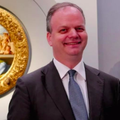

埃克·施密特Eike Schmidt
发表文章4篇 获得7个推荐 粉丝26人
意大利乌菲兹美术馆馆长
收录专栏
现在下载APP,注册有红包哦!
三联生活周刊官方APP,你想看的都在这里